Clean Circles was a research project (2021-2025) that laid the foundation for iron-based energy storage as a key technology for the energy transition. The cluster project established TU Darmstadt, the Karlsruhe Institute of Technology, and other partners as pioneering locations for metallic energy carriers and created the scientific foundation for today’s Metal Energy Hub.
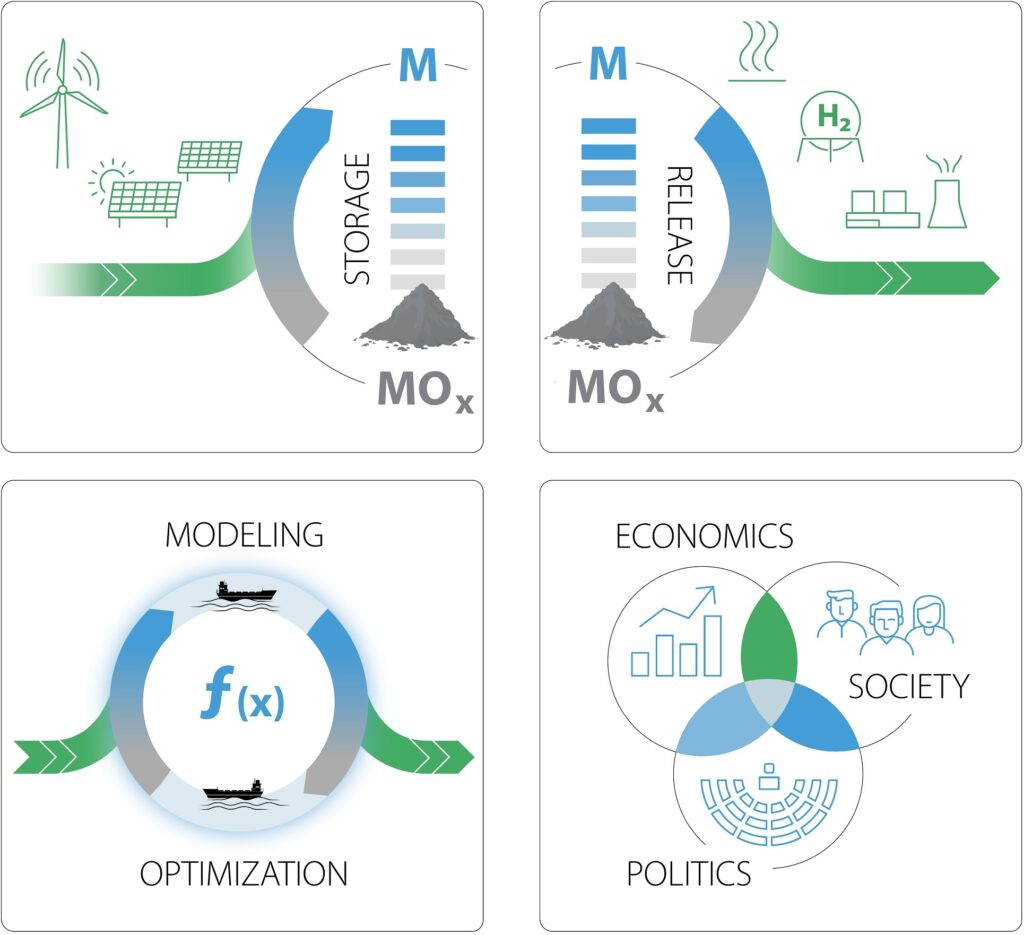
Iron has unique properties as an energy storage medium: it can store large amounts of energy, be transported safely, and produce electricity, heat, or, if required, hydrogen during “combustion” (oxidation) – without CO₂ emissions. The resulting “rust” (iron oxide) can be reduced back to iron using renewable energies – an endlessly repeatable cycle.
 © Metal Energy Hub
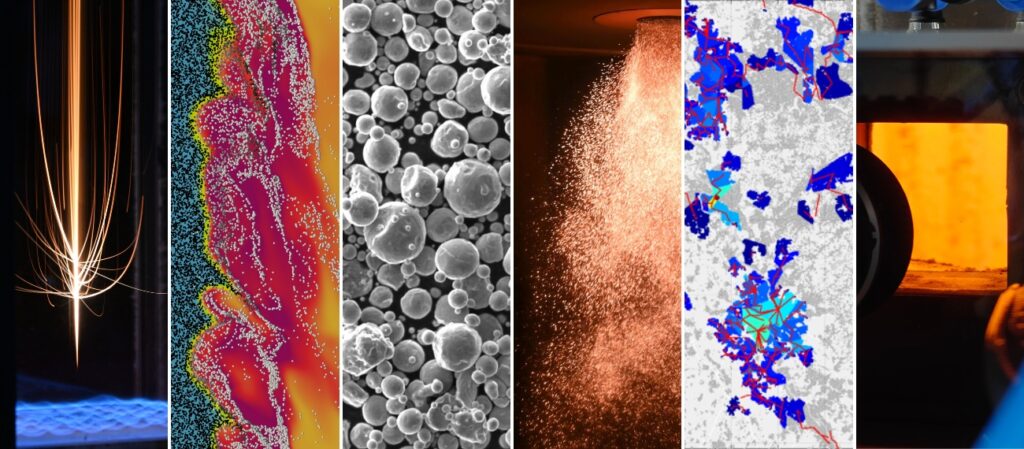
Clean Circles was characterized by the close coupling of engineering, natural science, and social science disciplines. The scientists worked in four closely linked research fields:
 © Metal Energy Hub
Clean Circles demonstrated the fundamental feasibility of the concept, which closes an important gap in the energy transition: the long-term storage of large amounts of energy, enabling seasonal balancing and the international transport of renewable energy. Studies have highlighted the retrofit potential of coal-fired power plants, allowing existing infrastructure to continue to be used. Some of the successes achieved in the project are:
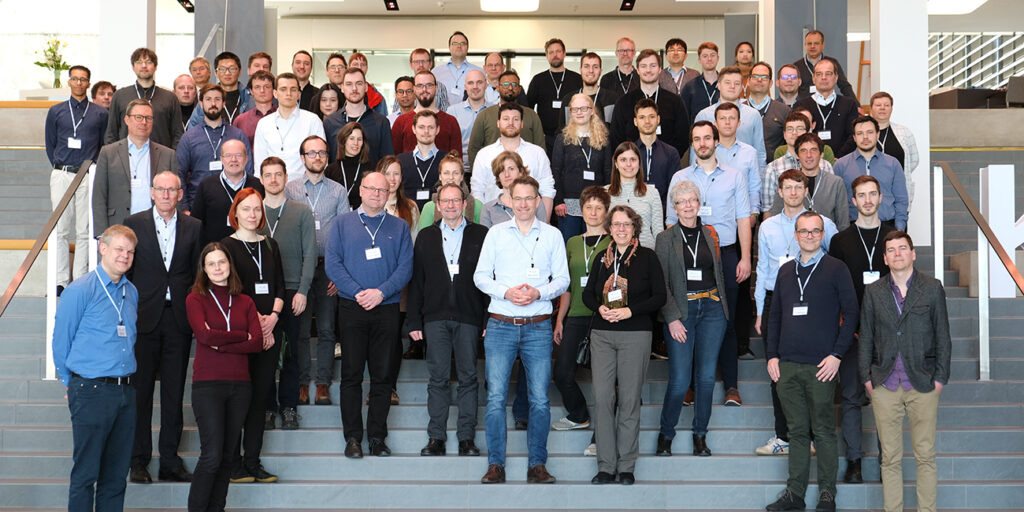
The project was supported by the unique collaboration of various research groups. In addition to the coordinating Technical University of Darmstadt, the Karlsruhe Institute of Technology, Darmstadt University of Applied Sciences, Johannes Gutenberg-University Mainz, Heidelberg University, the DLR-Institute for Low-Carbon Industrial Processes, and the Max-Planck-Institute for Sustainable Materials were also involved.
 © Metal Energy Hub
Funding from the Hessian Ministry of Science and Art and financial contributions from the project partners laid the foundation for the further development of metals as energy carriers. The scientific principles established are being directly incorporated into new projects and are being pooled at the Metal Energy Hub technology and transfer center. In this way, the interdisciplinary findings are being further developed in demonstration projects and semi-industrial pilot plants – all the way to commercial application.
Clean Circles was more than a research project; it was a strategic cornerstone. And it remains the passion of many project members and researchers: Today, we are working on tomorrow’s solutions for the energy transition.
1-6
2021-2025
Interdisciplinary investigation of the entire iron-energy cycle
Establishment of reactive metals as CO₂-free energy carriers