The Metal Energy Hub (MEH) is a technology and transfer center for metallic energy carriers at TU Darmstadt. With a project volume of €6 million (2025–2028), the MEH offers a platform for interdisciplinary exchange between science, industry, and politics. The aim is to systematically advance the transfer of metal-based energy storage from research to practical application.
To this end, a network of industrial partners is being established for commercial use. Other key areas of focus include the development of innovative combustion processes, the demonstration of a stable iron flame with 1 MW thermal output, scenario analyses for system evaluation, and the development of political framework conditions.
A closed energy cycle based on metal powders has the potential to solve key challenges of the energy transition: Metals can compensate for the volatility of solar and wind energy, store energy seasonally, and enable the international transport of large amounts of energy—without additional CO₂ emissions and using existing infrastructure.
 © TUDa/ Marius Schmidt
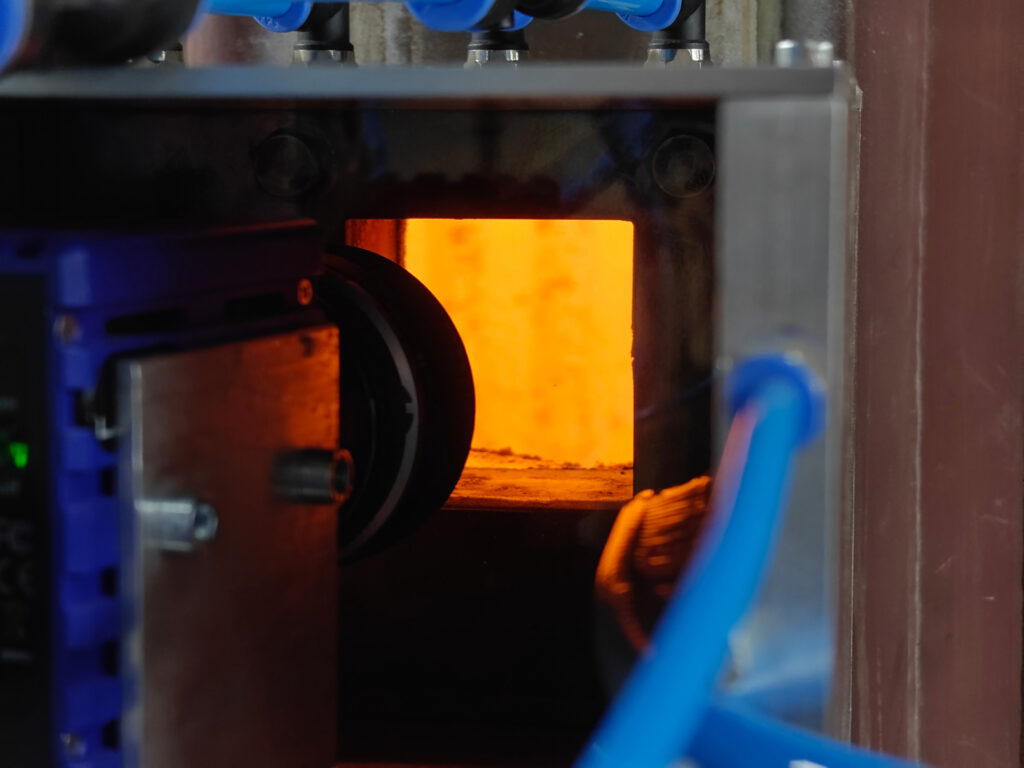 © TUDa/ Marius Schmidt
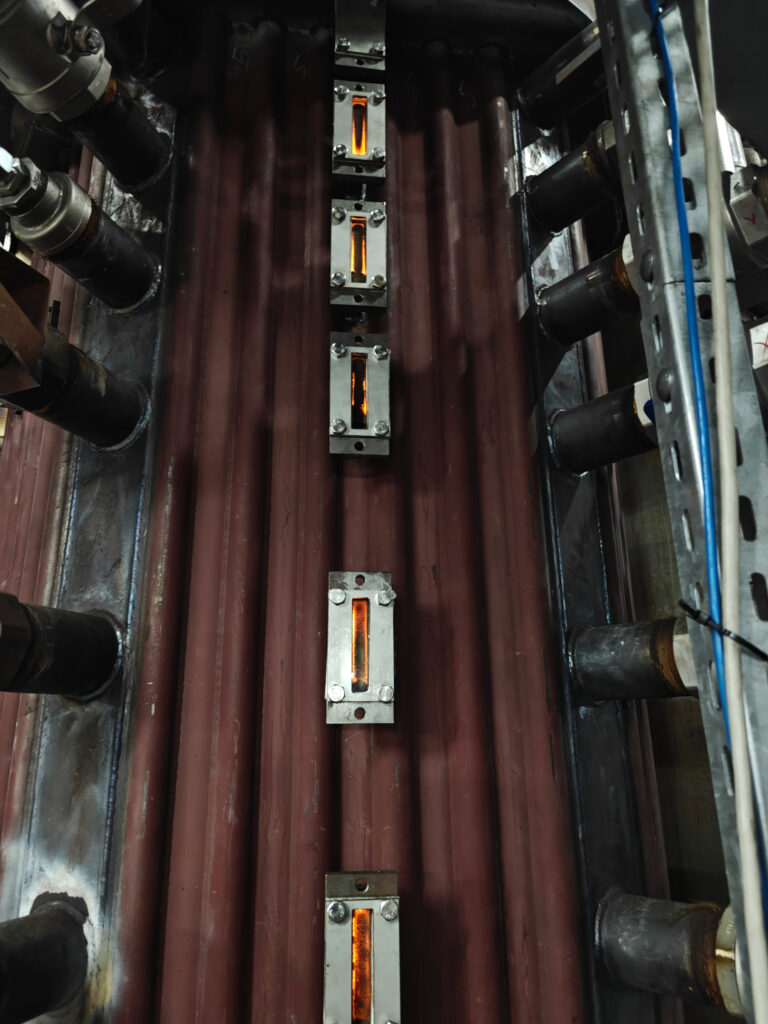
Pilot plant for energy storage in an iron dust flame.
The Metal Energy Hub builds on the scientific foundations and results of Clean Circles and other ongoing projects such as CORAL, MEIKE and A-STEAM, which deal with metallic energy carriers. The aim is to bring these activities together under one roof, promote exchange between the research teams involved, and create common interfaces with industry and politics.
Together with partners such as the Karlsruhe Institute of Technology (KIT), TU Darmstadt has been researching metallic energy carriers along the entire value chain for several years – from reduction (charging with renewable energy) and oxidation (energy release through combustion) to system analysis and the evaluation of political framework conditions.
The Metal Energy Hub now provides a central platform that coordinates, raises awareness of, and continues these projects with the aim of significantly accelerating the transfer of metal-based energy systems into industrial applications.
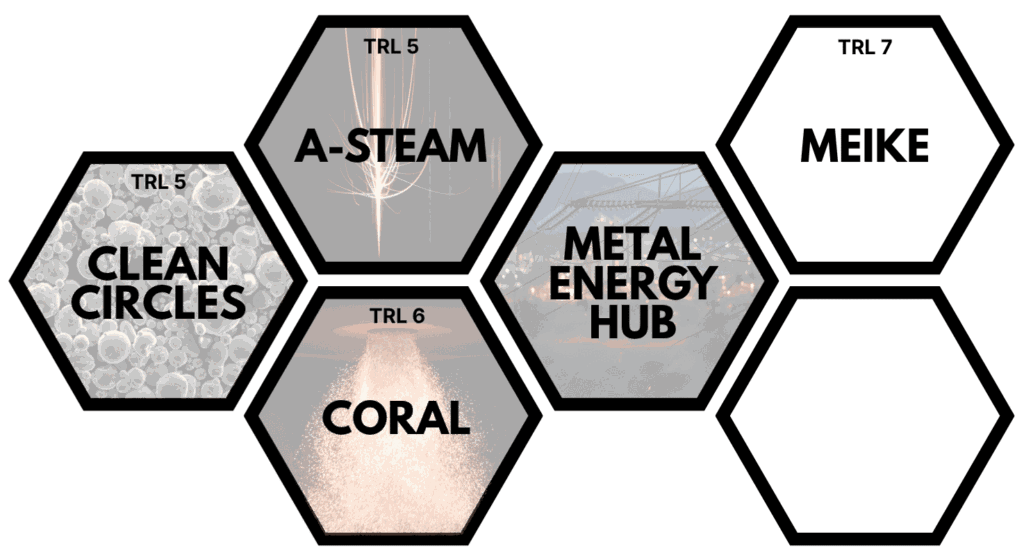
The Metal Energy Hub pursues five key objectives:
The Metal Energy Hub is aimed at political decision-makers at national and European level—such as ministries, authorities, EU institutions, and regulatory bodies—as well as economic players such as energy suppliers, industrial companies, plant manufacturers, logistics companies, engineering service providers, and consulting firms. Associations, research institutions, and funding organizations are also integrated into the network.
The Metal Energy Hub is part of the global Metal Power Community and a member of Metalot and the German Energy Storage Systems Association (BVES). As a hub, we contribute to establishing metallic energy carriers in Germany and promoting them internationally together with our partners.
4-6
2025-2028
?
Demonstration on a 1MW scale, transfer to combined heat and power plant
?